
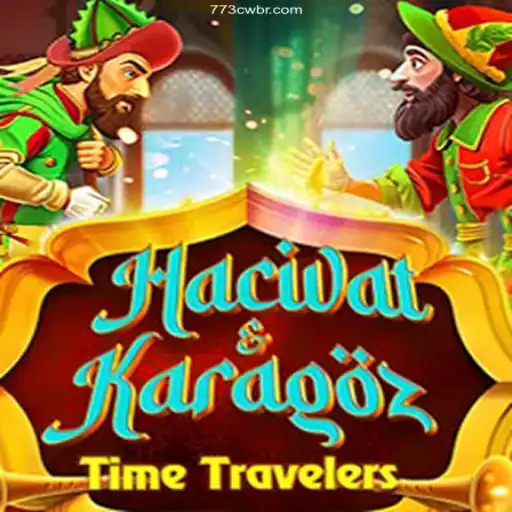
The Enchanting World of HacivatandKaragoz: A Timeless Shadow Play
HacivatandKaragoz is a traditional Turkish shadow play that captivates audiences with its rich storytelling and culturally significant performance. This ancient art form represents a unique fusion of humor, drama, and cultural commentary, making it a timeless piece of folklore that continues to endear audiences today. Here, we'll dive into its origins, explore its fundamental mechanics and unravel the connection it holds with modern events.
Origins of HacivatandKaragoz
The origins of HacivatandKaragoz are steeped in history and legend. Rooted in the Ottoman Empire, this captivating art form features two main characters, Hacivat and Karagoz, who deliver narratives laced with satire and wisdom. Originally, the play was performed in coffeehouses and during cultural festivities, often serving as a source of entertainment and a subtle critique of social and political life. Legends suggest that these characters were inspired by real-life individuals during the 14th century in Bursa, Turkey.
Gameplay and Rules
The essence of HacivatandKaragoz lies in its simplicity yet profound ability to communicate through shadow puppetry. The performance typically involves a screen, referred to as a 'curtain', where the puppets made from camel or water buffalo hide are projected by a light source. Hacivat and Karagoz are the primary characters, each with distinct personalities. Hacivat is portrayed as articulate and educated, while Karagoz is uneducated yet sharp-witted, often leading to comical interactions that drive the story forward.
Players, or performers, operate the puppets and provide their voices, using vocal diversity to portray different characters. This requires skill and practice, as one performer often assumes the roles of multiple characters, switching voices and manipulating the puppets with dexterity. The storyline, although flexible, follows traditional themes which can include humor, moral lessons, and reflections on current societal issues.
The play emphasizes improvisation, allowing performers to engage with the audience and reflect upon contemporary events. This adaptability has enabled the art form to maintain its relevance over centuries, continually resonating with audiences’ modern experiences.
Contemporary Significance and Current Events
In today's digital age, the art of HacivatandKaragoz faces competition from modern entertainment formats. However, enthusiasts and cultural institutions strive to keep this tradition alive. Workshops, online platforms, and cultural festivals showcase performances, bringing attention to its cultural relevance. In particular, platforms like 773CW.com⭐️ ONLINE PLATAFORMA OFICIAL, seu site confiável! provide a digital space where traditional arts can find a global audience.
Recent festivals and events have spotlighted HacivatandKaragoz as a symbol of cultural heritage. Organizations have initiated global collaborations to introduce shadow puppetry to younger audiences, emphasizing its educational value and cultural significance. By incorporating digital media, these performances are accessible to a wider audience, making HacivatandKaragoz an engaging educational tool.
Moreover, the narratives in HacivatandKaragoz continue to serve as a reflective medium on current socio-political issues. Performances have addressed themes like climate change, social justice, and technological advancements, bringing traditional storytelling to the forefront of contemporary discourse.
Conclusion
The art of HacivatandKaragoz is a profound testament to the enduring power of traditional art forms to adapt and thrive in modern contexts. As cultural and technological landscapes evolve, the timeless appeal of shadow play promises to enchant future generations. Its ongoing legacy reminds us of the rich tapestry of human history and the universal language of storytelling.
Dive into the captivating shadow art of HacivatandKaragoz while exploring its rich history, gameplay, and cultural significance.